why children today may exhibit reduced eye contact
 completetherapysolutions
Few reasons : why children today may exhibit reduced eye contact
1. Increased Screen Time: Many children are spending more time on electronic devices, such as tablets, smartphones, and computers. This screen time often replaces face-to-face interactions, limiting opportunities for practicing social skills like maintaining eye contact.
2. Shifting Communication Styles: Digital communication (texting, social media) is becoming more dominant, which doesn't require direct eye contact. As a result, children may feel less comfortable or less practiced in making eye contact during in-person interactions.
3. Social Anxiety and Mental Health: Anxiety, social anxiety, and mental health issues are on the rise among younger generations. Children with anxiety may avoid eye contact as a coping mechanism to reduce feelings of discomfort in social situations.
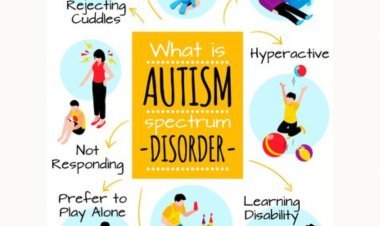
4. Neurodevelopmental Factors: Conditions such as autism spectrum disorder (ASD), ADHD, and sensory processing issues can affect social interactions, including reduced eye contact. For children with autism, for example, making eye contact can be overwhelming or distracting, leading to avoidance.
5. Cultural Shifts: In some cultures, eye contact may be less emphasized or viewed differently, and these cultural norms can influence children's behavior.
6. Parental Modeling and Environment: If parents or caregivers themselves spend significant time on screens or are less engaged in face-to-face interactions, children may model that behavior, leading to reduced eye contact in social situations.
These factors interact and vary by individual, so a combination of environmental, social, and developmental influences often contribute to reduced eye contact among children.