
Stammering in children
Early childhood stuttering, also known as developmental stuttering, typically begins between the ages of 2 and 6 years old.
 completetherapysolutions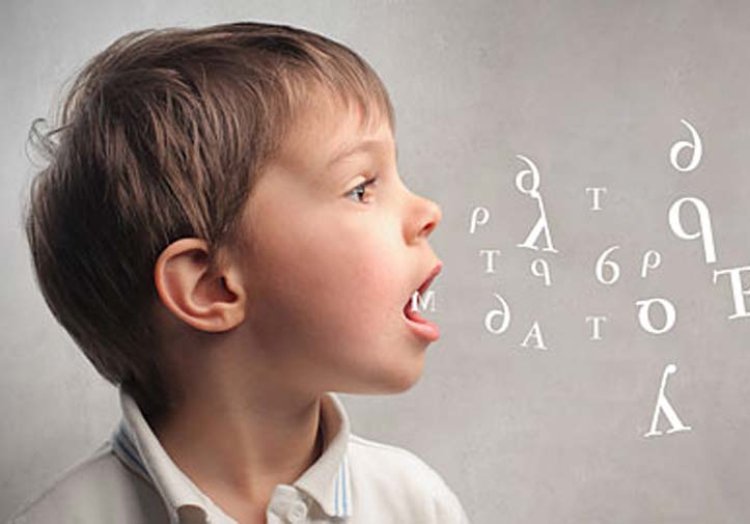
Stammering in children:
Early childhood stuttering, also known as developmental stuttering, typically begins between the ages of 2 and 6 years old. It is characterized by disruptions in the flow of speech, such as repeating sounds, syllables, or words; prolonging sounds; and getting stuck or blocked on words. Here are some key points about early childhood stuttering:
1. Causes: The exact cause is not known, but it is believed to result from a combination of genetic, neurological, and environmental factors. Family history of stuttering can increase the risk.
2. Development: Many children go through a phase of disfluency as they develop language skills. For most, this is temporary and resolves on its own. However, for some, it may persist and require intervention.
3. Identification: Signs of stuttering include frequent repetitions of sounds, syllables, or words; prolonged sounds; and blocks or pauses. Physical signs like facial tension or effortful speech may also be present.
4. Impact: Stuttering can affect a child's self-esteem, social interactions, and academic performance. Early intervention can help mitigate these impacts.
5. Intervention: Speech therapy is the most common treatment. Techniques may include strategies to improve fluency, modify the stuttering, and address associated feelings and attitudes.
6. Prognosis: Many children outgrow stuttering, especially with early intervention. However, for some, it may persist into adulthood.
If you have specific questions... Contact us at complete therapy solutions