Occupational Therapy in Children with Autism
 completetherapysolutions
Occupational therapy (OT) plays a crucial role in the development and improvement of skills for children with autism spectrum disorder (ASD). The primary goal of OT for children with autism is to help them gain independence and participate fully in daily activities. Here are the key aspects and uses of occupational therapy for children with autism:
Requirements for Occupational Therapy in Children with Autism
1. Assessment and Evaluation:
Comprehensive Evaluation: An OT begins with a thorough assessment to understand the child's strengths, challenges, and needs. This includes observing the child in different environments and situations, interviewing parents and caregivers, and using standardized tests.
Individualized Plan: Based on the assessment, an individualized therapy plan is created, which includes specific goals tailored to the child's unique needs and abilities.
2. Qualified Professionals:
Occupational therapists working with children with autism typically have specialized training in pediatric therapy and often additional training in autism-specific strategies.
3. Collaboration:
OTs collaborate closely with other professionals, such as speech therapists, physical therapists, teachers, and pediatricians, to provide a comprehensive approach to the child’s development.
They also work with families to ensure consistency and support at home.
Uses and Benefits of Occupational Therapy for Children with Autism
1. Sensory Integration:
Many children with autism have sensory processing issues, where they might be over- or under-sensitive to stimuli (like lights, sounds, or textures).
OT helps in developing sensory integration techniques to manage these sensitivities, improving the child’s ability to function in everyday environments.
2. Fine and Gross Motor Skills:
OT focuses on developing fine motor skills (such as writing, buttoning clothes, and using utensils) and gross motor skills (such as jumping, running, and climbing).
Activities are designed to improve coordination, strength, and dexterity.
3. Daily Living Skills:
Therapists work on essential daily tasks, including dressing, grooming, feeding, and toileting, to promote independence.
Techniques and adaptive tools may be introduced to make these tasks more manageable.
4. Social Skills and Communication:
OT can include activities that promote social interaction and communication, crucial areas where children with autism often struggle.
This may involve structured play activities, turn-taking games, and other social scenarios to practice skills.
5. Behavioral Management:
OTs help children develop coping strategies for managing frustration, anxiety, and other challenging behaviors.
Interventions may include creating routines, using visual schedules, and teaching self-regulation techniques.
6. Cognitive and Academic Skills:
Enhancing cognitive skills like problem-solving, memory, and organization is another area where OT can be beneficial.
Occupational therapists can work on skills that directly support academic achievement, such as attention, following instructions, and handwriting.
7. Play and Leisure Skills:
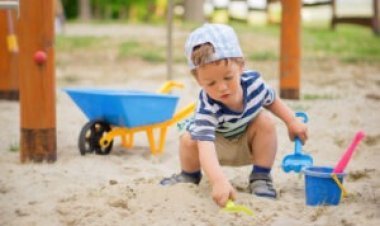
Play is a crucial part of a child’s development. OT helps children with autism learn how to play appropriately with toys and engage in leisure activities.
Play therapy can also be a way to develop social and motor skills in a fun and engaging manner.
Approaches and Techniques
1. Sensory Integration Therapy:
This approach is used to help children become more comfortable and functional in their environments. Activities might include swinging, climbing, and other sensory-rich experiences.
2. Visual Supports:
Use of visual aids, such as picture schedules and social stories, to help children understand and follow routines and expectations.
3. Task Analysis:
Breaking down tasks into smaller, manageable steps to teach complex skills progressively.
4. Adaptive Equipment:
Introducing tools like weighted vests, sensory brushes, or special utensils to help children perform tasks more easily.
5. Parent and Caregiver Training:
Educating and involving parents in therapy strategies to ensure consistent support and practice at home.
Occupational therapy for children with autism is highly individualized, with therapists adjusting their methods based on each child's specific needs. The overarching goal is to enhance the child's ability to engage in meaningful activities and improve their overall quality of life.