Hearing Loss in the Current Generation: A Growing Concern
 completetherapysolutions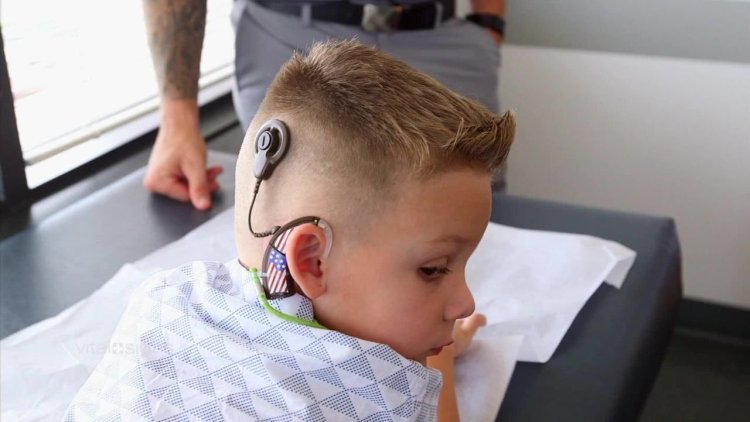
Hearing Loss in the Current Generation: A Growing Concern
In recent years, hearing loss has become a significant concern among individuals of all ages, including children, teenagers, and young adults. Unlike earlier generations, where hearing loss was primarily associated with aging or congenital conditions, modern lifestyles and environmental factors are contributing to an increase in hearing-related issues.
Prevalence of Hearing Loss
Studies indicate that nearly 1.5 billion people globally live with some degree of hearing loss, and this number is expected to rise. The younger generation is particularly at risk due to increased exposure to loud noises, environmental pollutants, and digital devices. Alarmingly, research suggests that 1 in 5 teenagers experiences hearing loss, which is a significant increase compared to previous decades.
Key Factors Behind the Rise
1. Excessive Use of Earphones and Headphones
Prolonged listening to music or other audio content at high volumes is one of the leading causes of noise-induced hearing loss (NIHL). Streaming platforms and gaming headsets often encourage prolonged exposure, putting the auditory system under strain.
2. Environmental Noise Pollution
Urbanization has led to constant exposure to traffic noise, industrial sounds, and construction activities. These environmental factors contribute to both temporary and permanent hearing damage.
3. Lack of Awareness
Many people are unaware of the risks associated with loud noise exposure. The lack of preventive measures, such as using hearing protection in noisy environments, further exacerbates the issue.
4. Medical and Genetic Factors
Apart from lifestyle-related causes, untreated ear infections, certain medications, and genetic predispositions also play a role in hearing loss.
Impact on the Younger Generation
Hearing loss in younger individuals can significantly affect their academic performance, social interactions, and emotional well-being. Children with undiagnosed hearing issues often face challenges in language development and communication, leading to a lack of confidence and isolation.
What Can Be Done?
1. Raising Awareness
Educating the public, especially parents and young people, about the causes and prevention of hearing loss is crucial. Campaigns can highlight the dangers of loud noise exposure and the importance of regular hearing check-ups.
2. Adopting Preventive Measures
Limit the use of earphones and headphones. Follow the 60/60 rule: listen at 60% volume for no more than 60 minutes at a time.
Use noise-canceling headphones to avoid the need to increase volume in noisy environments.
Wear hearing protection, like earplugs, in loud settings such as concerts or industrial workplaces.
3. Early Diagnosis and Intervention
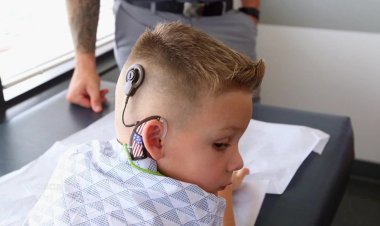
Regular hearing screenings should be a part of routine health check-ups, especially for children and teens. Early diagnosis can lead to timely interventions, including hearing aids, cochlear implants, or therapy.
4. Encourage Healthy Habits
Promoting ear hygiene and avoiding the insertion of foreign objects into the ear canal can prevent infections and damage.
Final Thoughts
The rising prevalence of hearing loss in the current generation is a wake-up call. By understanding the causes and taking preventive steps, we can safeguard the auditory health of future generations. Spread the message, take action, and prioritize hearing health – because once lost, hearing cannot always be restored.
At Complete Therapy Solutions, we are dedicated to promoting hearing health and providing audiometry and hearing aid services to address these challenges. Reach out to us for expert advice and care.