Virtual Autism: Preventing Screen-Induced Symptoms
 completetherapysolutions
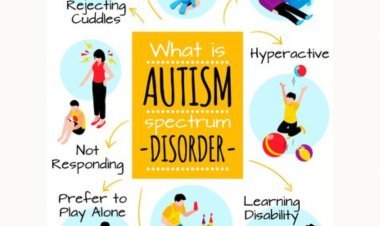
"Virtual autism" is a term used to describe autism-like symptoms in young children, often attributed to excessive screen time. While not officially recognized as a medical diagnosis, some experts believe that reducing screen time and promoting real-world interactions can mitigate these symptoms.
Here are some preventive measures:
1. Limit Screen Time: Pediatric guidelines suggest minimizing screen exposure, especially for children under 2 years old. For older children, it's important to limit screen time to a maximum of 1-2 hours per day, focusing on high-quality content.
2. Encourage Real-World Interaction: Engage children in activities that involve physical play, social interaction, and sensory experiences. This could include playing with toys, outdoor activities, and spending time with family members.
3. Promote Language Development: Reading books, singing, and having conversations with your child can help in developing language and communication skills, reducing the risk of language delays often associated with excessive screen time.
4. Structured Routines: Establish a daily routine that includes time for physical activities, social interaction, and creative play. This can help children develop better attention spans and social skills.
5. Modeling Behavior: Parents and caregivers should model healthy screen habits by minimizing their own screen time, especially when interacting with children.
6. Seek Professional Guidance: If you're concerned about your child's development, it may be helpful to consult a pediatrician or child psychologist for personalized advice.
While more research is needed to fully understand the impact of screen time on child development, these steps can help ensure a balanced environment that supports healthy growth.