Autism or Autism Spectrum Disorder (ASD)
 completetherapysolutions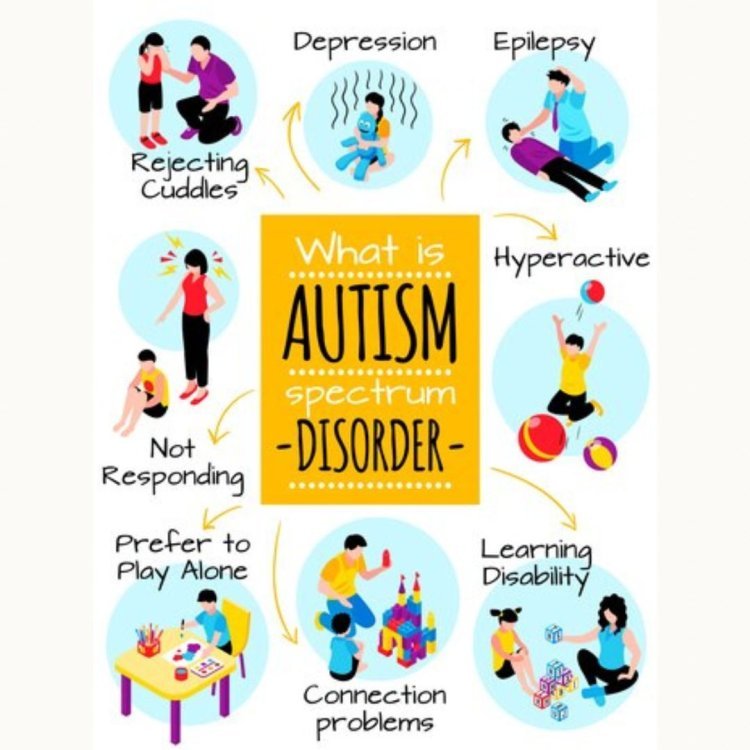
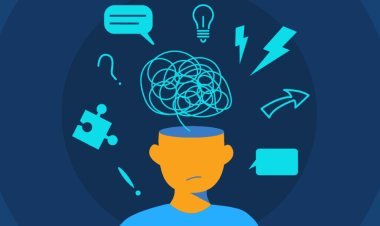
Autism, or Autism Spectrum Disorder (ASD), is a developmental condition that affects how a person communicates and interacts with others. It can also influence behavior and learning. Here are some key points about autism in simple terms:
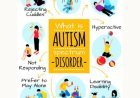
Spectrum: Autism is called a spectrum because it includes a range of symptoms and abilities. Some people with autism may need a lot of help in their daily lives, while others may need less.
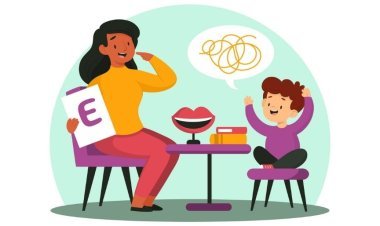
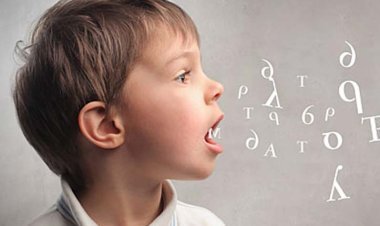
Communication Challenges: People with autism might have trouble talking or understanding others. Some might not speak at all, while others might have difficulty with conversations or understanding social cues.
Social Interaction: Making friends and understanding social rules can be hard for people with autism. They might prefer being alone or struggle with eye contact and facial expressions.
Repetitive Behaviors: Many people with autism have repetitive behaviors, such as hand-flapping, rocking, or repeating the same words or phrases.Routine and Order: People with autism often like routines and can get upset by changes. They might prefer doing things in a specific order or way.
Sensory Sensitivities: Some people with autism are very sensitive to sounds, lights, textures, or smells. Others might be less sensitive to pain or not notice extreme temperatures.
Strengths and Abilities: People with autism often have unique strengths. Some might excel in areas like math, music, art, or technology. They may have very good memories or be highly detail-oriented.
Early Signs: Autism usually shows signs in early childhood, often before the age of three. Early intervention and support can make a big difference in development.
Understanding and accepting people with autism helps create a more inclusive and supportive environment for everyone.