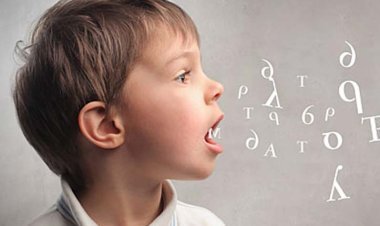
Main Symptoms of ADHD
 completetherapysolutions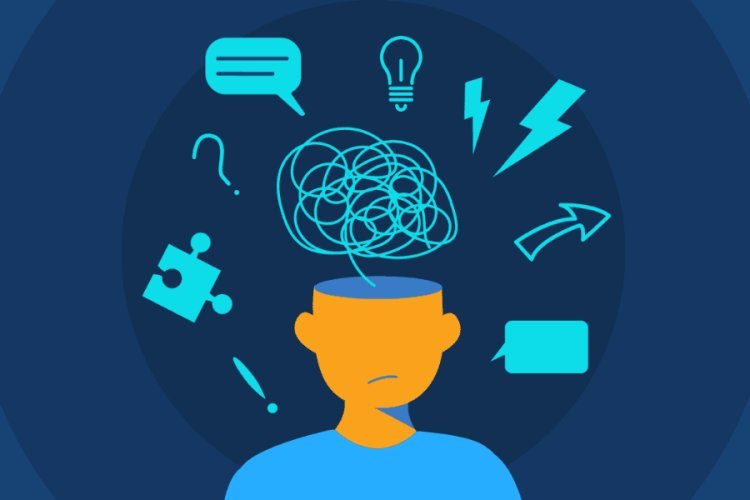
What is ADHD?
ADHD is a medical condition that affects a person's ability to focus, sit still, and control impulses. It is one of the most common neurodevelopmental disorders, often diagnosed in childhood and sometimes continuing into adulthood.
Main Symptoms of ADHD
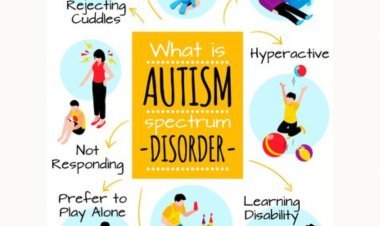
1. Inattention:
- Difficulty paying attention to details
- Trouble staying focused on tasks or play
- Easily distracted
- Forgetfulness in daily activities
- Frequently losing things needed for tasks and activities
2. Hyperactivity:
- Fidgeting or squirming
- Difficulty staying seated
- Running or climbing in inappropriate situations
- Talking excessively
- Trouble playing quietly
3. Impulsivity:
- Difficulty waiting for their turn
- Interrupting or intruding on others
- Blurting out answers before a question is finished
How is ADHD Diagnosed?
ADHD is usually diagnosed by a healthcare professional through a combination of interviews, questionnaires, and observations. The symptoms must be present for at least six months and be inappropriate for the person’s developmental level.
Causes of ADHD
The exact cause of ADHD is not known, but it is believed to involve genetics, brain structure and function, and environmental factors.
Treatment for ADHD
Treatment often includes a combination of:
- Medication: Helps control symptoms by affecting brain chemicals.
- Behavioral Therapy: Teaches skills to manage behavior and cope with challenges.
- Education and Support: For both the person with ADHD and their family.
Living with ADHD
With proper treatment and support, individuals with ADHD can lead successful and fulfilling lives. It’s important to create a structured environment, establish routines, and use positive reinforcement to help manage the symptoms.
If you have specific questions or need more detailed information, feel free to contact us @ CTS